
About
The United by Nature Green Grounds Certification recognizes places pioneering the transition to organic landcare. It provides a framework to take your sustainability efforts to the next level and offers you a range of benefits:

Network
Join a national community of campuses leading the shift to organic, chemical-free landcare.

Health
Reduce exposure to toxic pesticides linked to cancer, neurotoxicity, reproductive harm, and hormone disruption.
Resilience
Protect vital microorganisms, adopt regenerative landcare practices that strengthen soil health, and increase biodiversity making your land more resilient to change.
Certification Tiers
The Green Grounds Certification recognizes progress at every stage of the transition to organic landcare. Participating partners can earn one of four tiers — Bronze, Silver, Gold, or Platinum — by meeting the corresponding standards. Each tier builds on the one before it, meaning higher levels must also meet all the criteria of the previous standards.
Bronze
Silver
Gold
Platinum
Application Resources
SurveyWant to know where you stand and if you qualify? Take this quick survey.
Application Fee
The initial Green Grounds Certification application fee is $1,000, with a $500 reapplication fee for renewal. We recognize that cost can be a barrier — our fee waiver program is available for those that need support. This program waives the fee for qualified institutions, ensuring that no one is held back from participating due to financial constraints.
Application Process
Ready to begin your Green Grounds journey? Start by completing the application form.
If you have them, Facilities and Sustainability teams may want to complete this form together. We encourage shared ownership of sustainable landcare.
We'll review completed applications on a rolling basis. During the review, our team may reach out with clarifying questions to ensure all information is accurate. After the comprehensive review is complete, we’ll notify you of the Green Grounds Certification level your campus has earned.
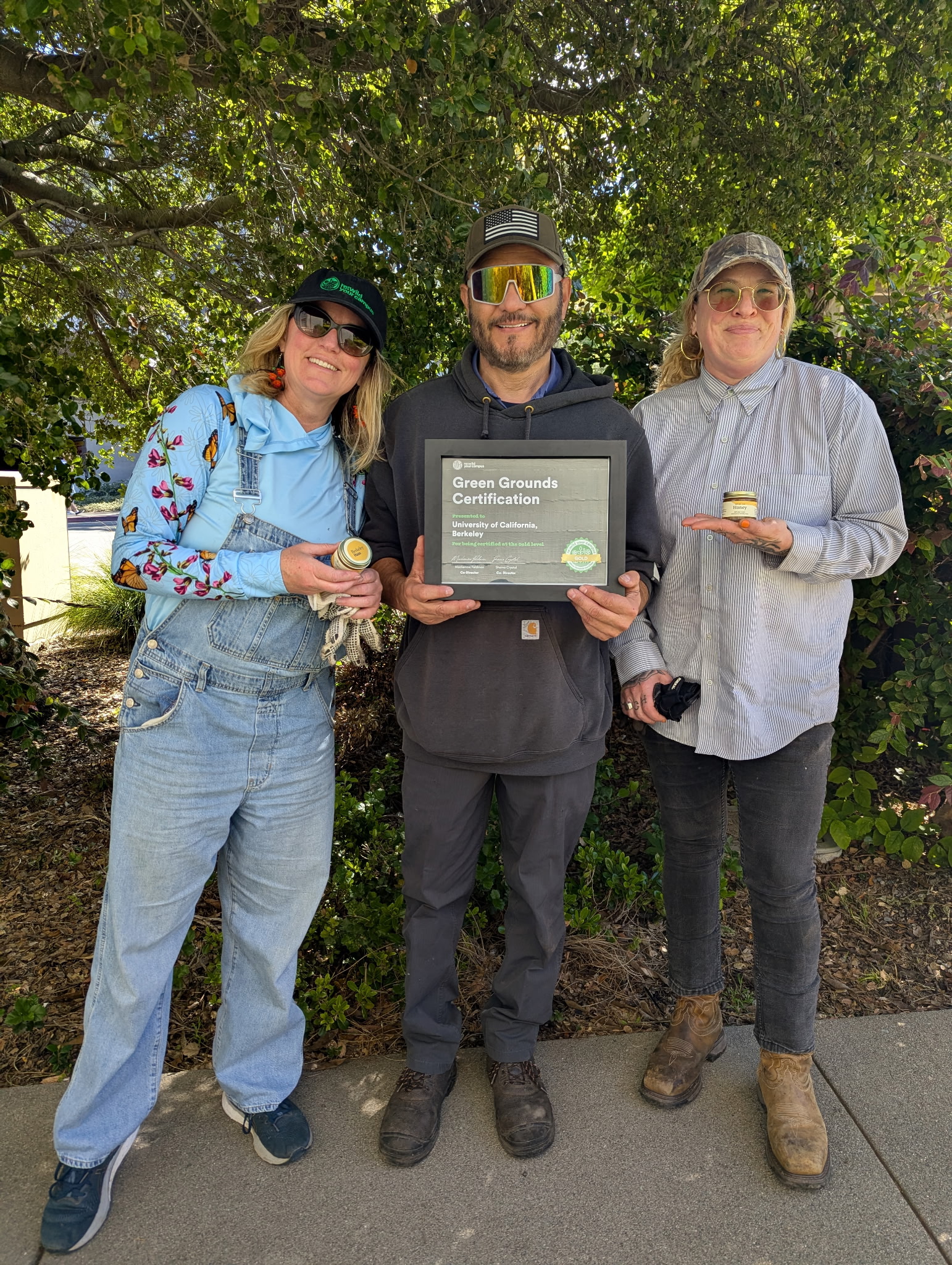
Certified institutions receive signage and educational resources to highlight their sustainable landcare practices and support continued improvement. Certifications are valid for two years, after which campuses must reapply to maintain their status.
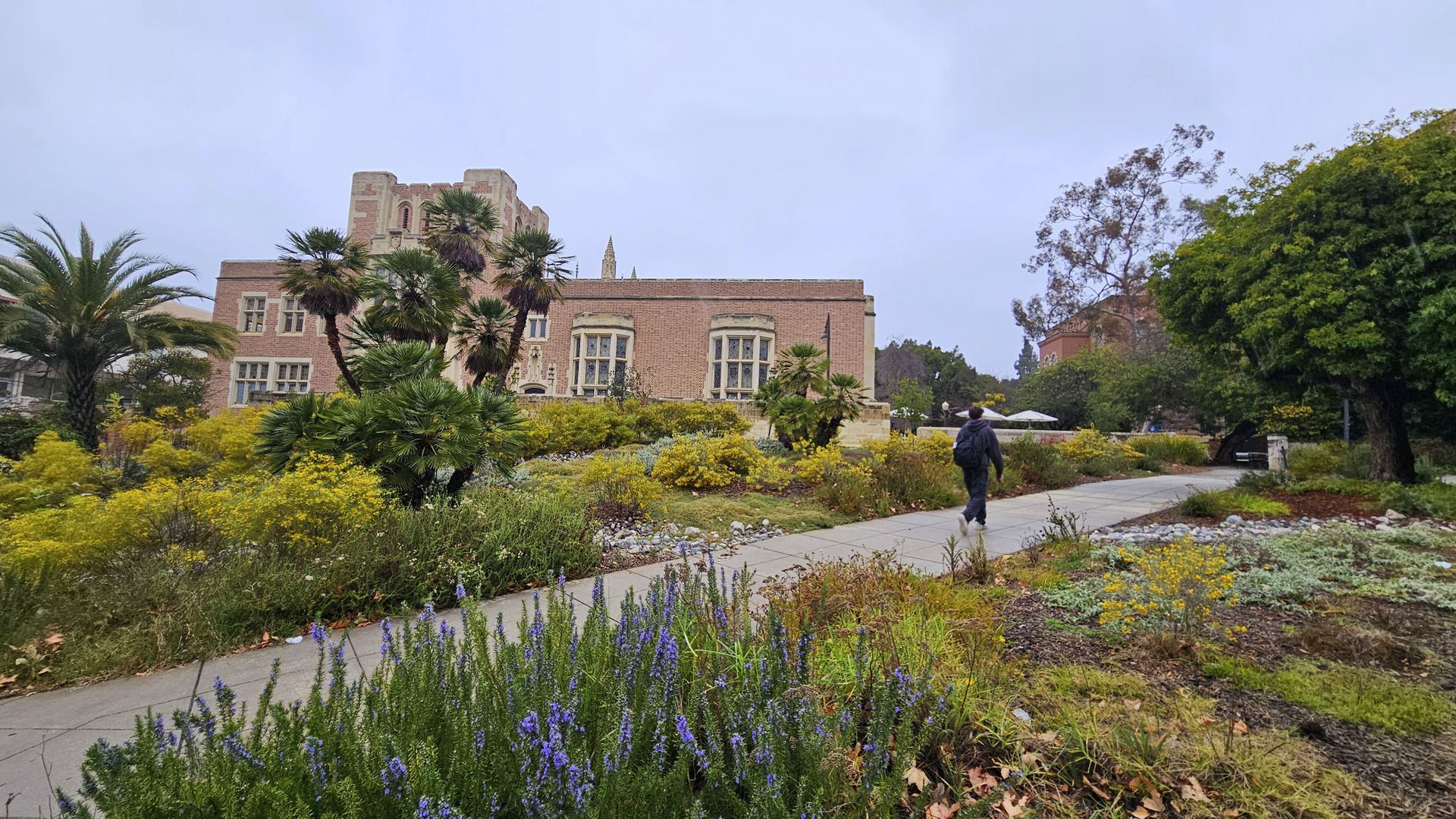
Land Leaders
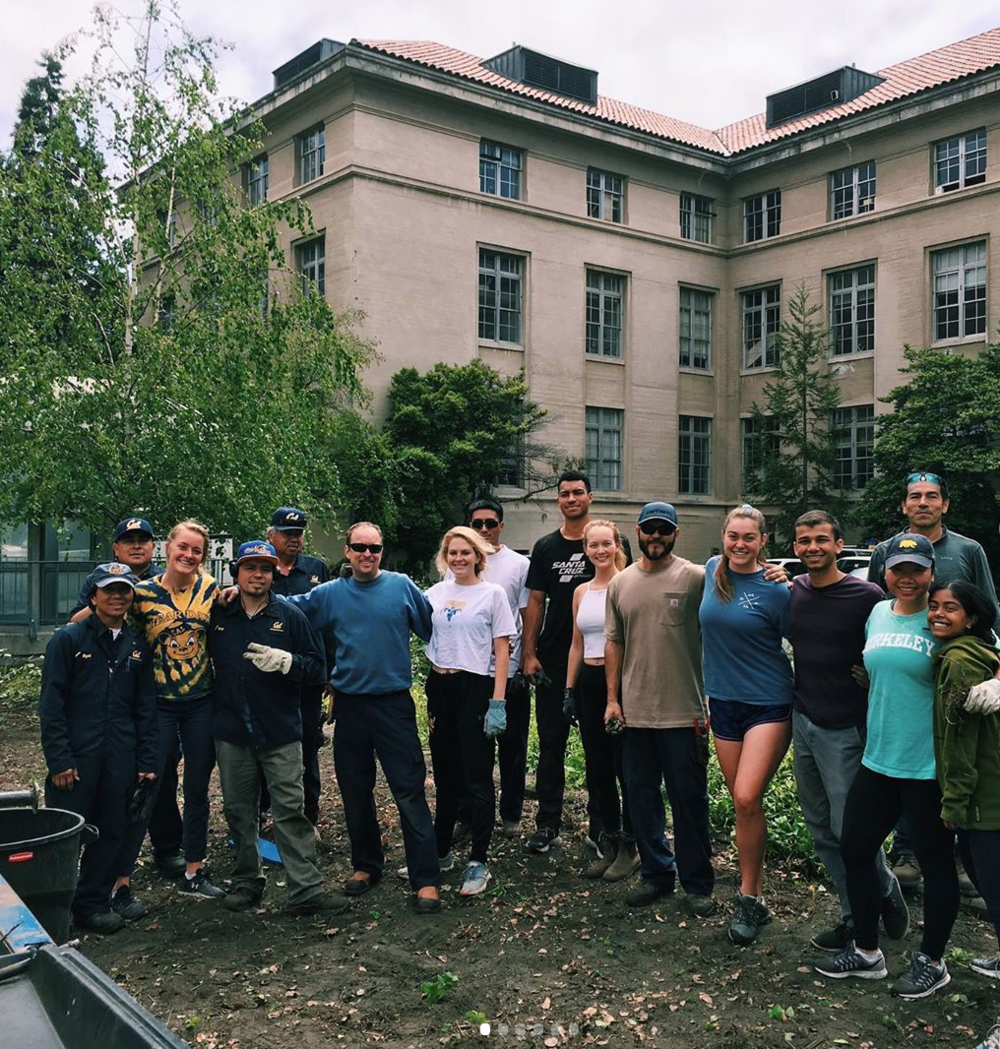
Institutions across the country are putting these practices into action by reducing or eliminating synthetic pesticides and fertilizers. Certified campuses are creating healthier, more resilient environments that support their communities, nurture biodiversity, and take meaningful action against climate change.
Certification Advisory Board
Barry Draycott — President and Owner, Tech Terra Innovations
Chip Osborne — President of Osborne Organics, Founder of Organic Landscape Association
Richard McCoy — Founder and President, Richard A. McCoy Horticultural Services Inc.
Fred Newcombe — President, PJC Organics
Vanessa Armstrong — Organic Landscape Specialist and Consultant, Organic Landscape Solutions
Eric O'Brien — Director of Sustainability, University of California Davis
Frequently Asked Questions