 ×
×

Good Fire
Bring Back the Good Kind of Fire
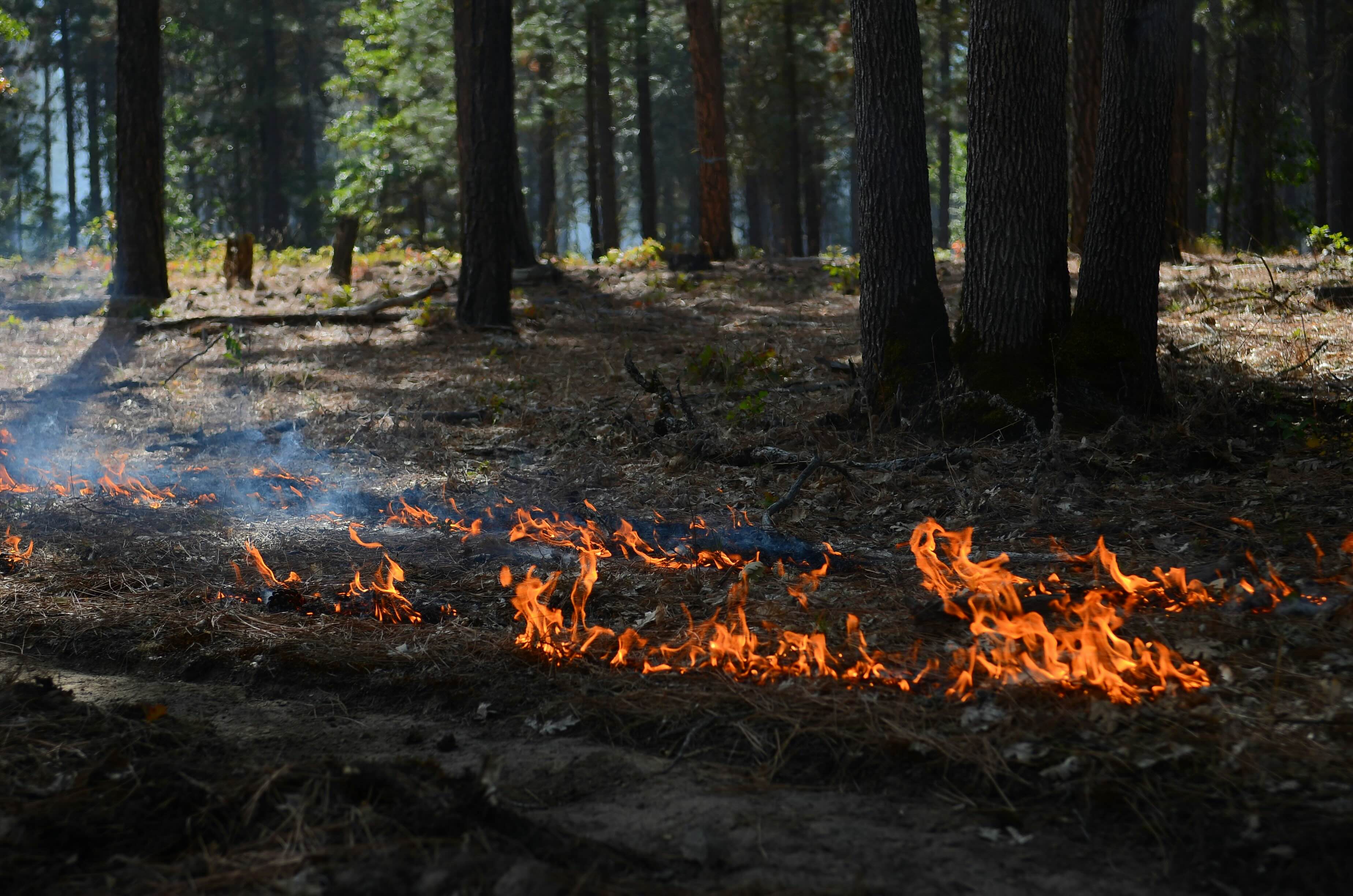
Not all fire is destructive. For thousands of years, Indigenous communities intentionally used low-intensity fire to care for forests, reduce dangerous fuel, and keep ecosystems healthy. Today, prescribed fire remains one of our most effective tools for preventing catastrophic wildfires.
How to Fight Fire with flavor
Two Ways
to Fight Fire
Sign the Petition
Join thousands of others who are calling on leaders to invest in smarter wildfire policies for healthier, more resilient forests.
Buy the Sauce
Every purchase helps fund wildfire prevention and forest restoration. 100% of proceeds directly support our nonprofit partners’ work to make forests and communities safer.
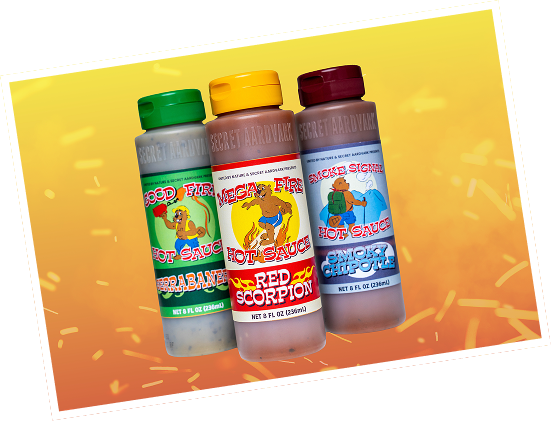
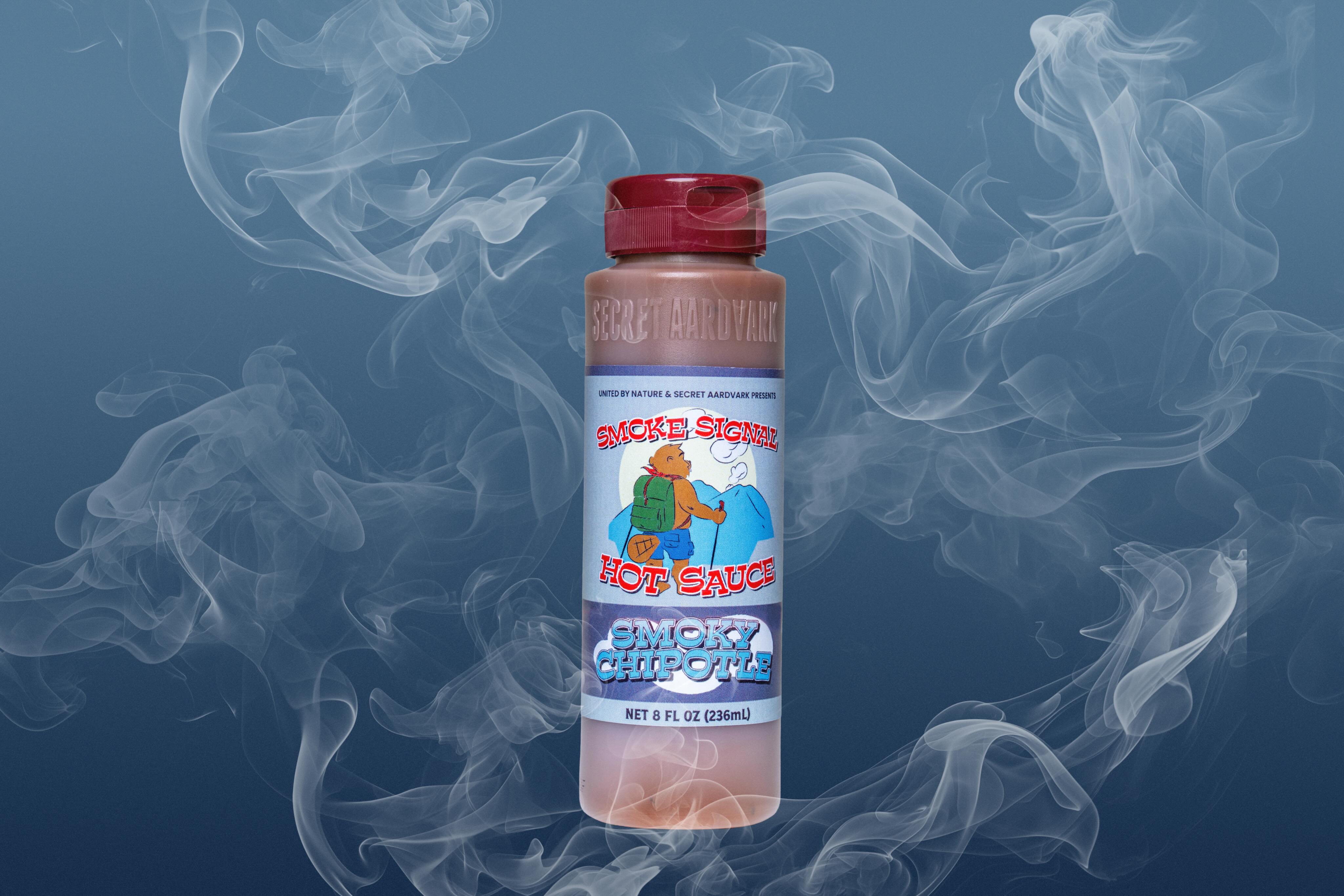 Smoky ChipotleOOOH!
Smoke Signal
Smoky Chipotle
Read the warning signs. Proactive land management and early detection reduce the risk of catastrophic wildfires. Fund healthy landscapes and community education.
$9.99 / 8 oz
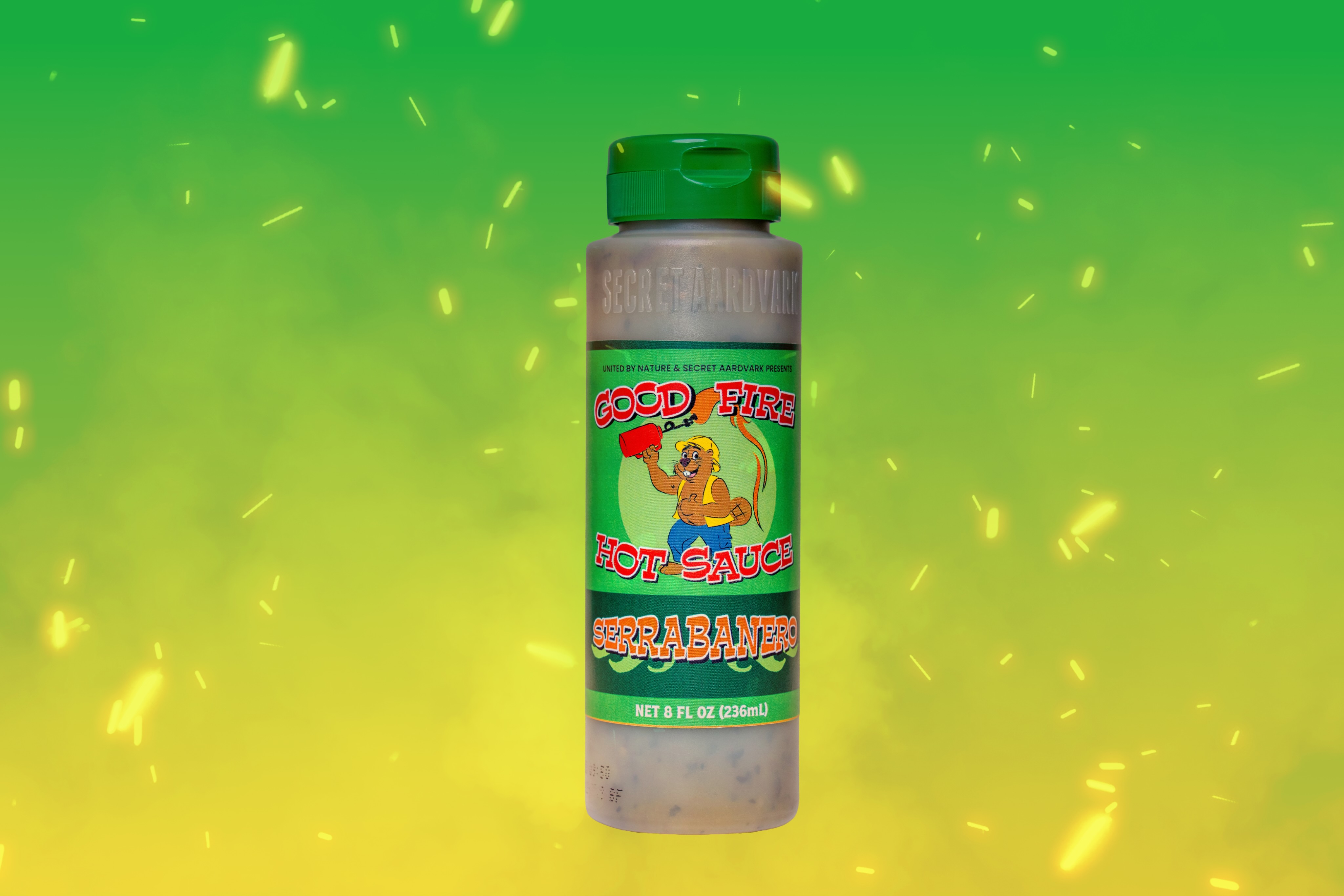 SerrabaneroMmm!
Good Fire
Serrabanero
Not all fire is bad fire. Fire is natural – what isn't natural is dry, diseased forests. Indigenous communities managed forests with fire for thousands of years. Fund prescribed burn programs.
$9.99 / 8 oz
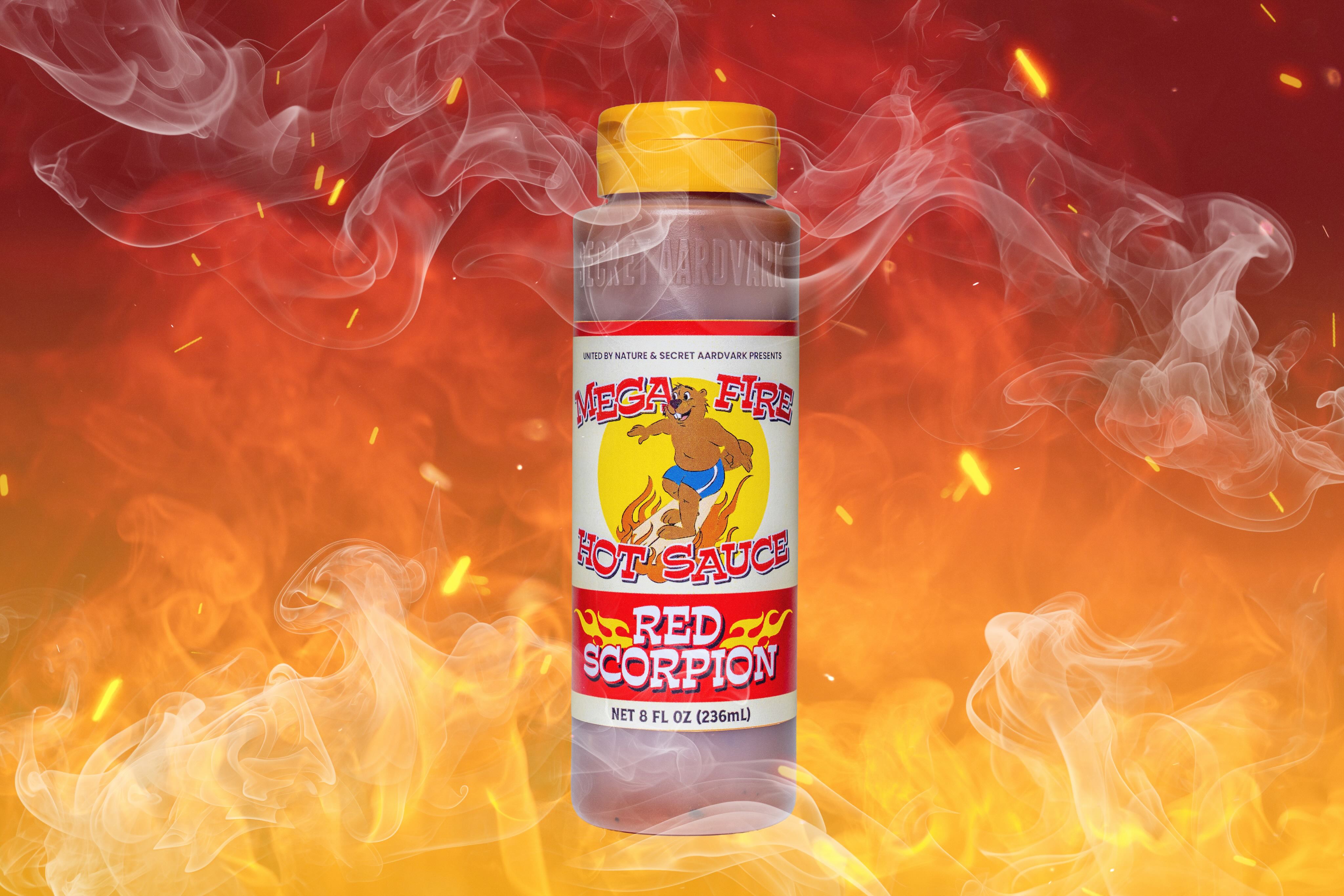 Red ScorpionDANG!
Mega Fire
Red Scorpion
We built this era, we can dismantle it. When forests aren't cared for, destructive wildfires take hold and become megafires that destroy homes, uproot families, and devastate communities. Funds support and honor the firefighters who put their lives on the line to protect us from these increasingly destructive fires.
$9.99 / 8 oz
get Heat to Give Back
Every bottle sold supports our nonprofit partner's wildfire prevention and forest restoration efforts.
100% of all Good Fire hot sauce proceeds go directly to fund American Forests' forest restoration, reforestation, and preventative prescribed burn programs.
American Forests is the nation’s oldest national nonprofit dedicated to forest stewardship and conservation.
Fire Isn't Always the Enemy
Sometimes the safest way to stop a devastating wildfire is to light a carefully planned one first.
For much of the last century, the goal was simple: put every fire out. While well-intentioned, that approach interrupted nature's cycle. Without regular, low-intensity fires to clear away dead trees, brush, and undergrowth, forests become increasingly overgrown, creating the fuel that feeds today's megafires.
What Is a Prescribed Burn?
A prescribed burn is a carefully planned, intentionally lit fire conducted under specific weather conditions by trained fire professionals. These treatments don't eliminate wildfire — but they make forests healthier, communities safer, and fires easier to manage.
These controlled burns reduce dead vegetation that fuel megafires, restore healthy forests and native grasslands, improve wildlife habitat and biodiversity, and lower the risk of catastrophic wildfires reaching nearby communities.
“We are not introducing fire to this land. We are giving it back something it has been missing.”
— Matt Weiner, CEO Megafire Action
Proven to Reduce Megafires
Research continues to confirm what Indigenous fire practitioners have understood for generations: good fire makes future fires less destructive. Studies have found that prescribed burns can:
Learning From Indigenous Knowledge
Long before modern firefighting existed, Indigenous peoples across North America used cultural burning to steward the land. Today, partnerships between Tribal nations, scientists, and land managers are helping restore these proven practices.
Organizations such as the Western Klamath Restoration Partnership, the Indigenous Peoples Burning Network, and collaborations with the Yurok Tribe are demonstrating how traditional ecological knowledge and modern science can work together to build more resilient forests.
The Future Needs More Good Fire
Prescribed fire isn't just about burning more forests, it's about burning them at the right time, in the right place, and under the right conditions. By bringing back the good kind of fire, we can reduce the severity of future megafires, restore healthier ecosystems, and better protect the communities that call these landscapes home.
Sign the Petition
Add your name to stand with thousands of others calling on leaders to invest in smarter wildfire policies for healthier, more resilient forests.