 ×
×

Smoke Signal
Recognize the warning signs
A wildfire starts long before the first flame. The warning signs are already there in overcrowded forests, dry vegetation, and dangerous fuel buildup. The sooner we recognize them, the more we can do to prevent the next megafire.
How to Fight Fire with flavor
Two Ways
to Fight Fire

Sign the Petition
Join thousands of others who are calling on leaders to invest in smarter wildfire policies for healthier, more resilient forests.
Buy the Sauce
Every purchase helps fund wildfire prevention and forest restoration. 100% of proceeds directly support our nonprofit partners’ work to make forests and communities safer.
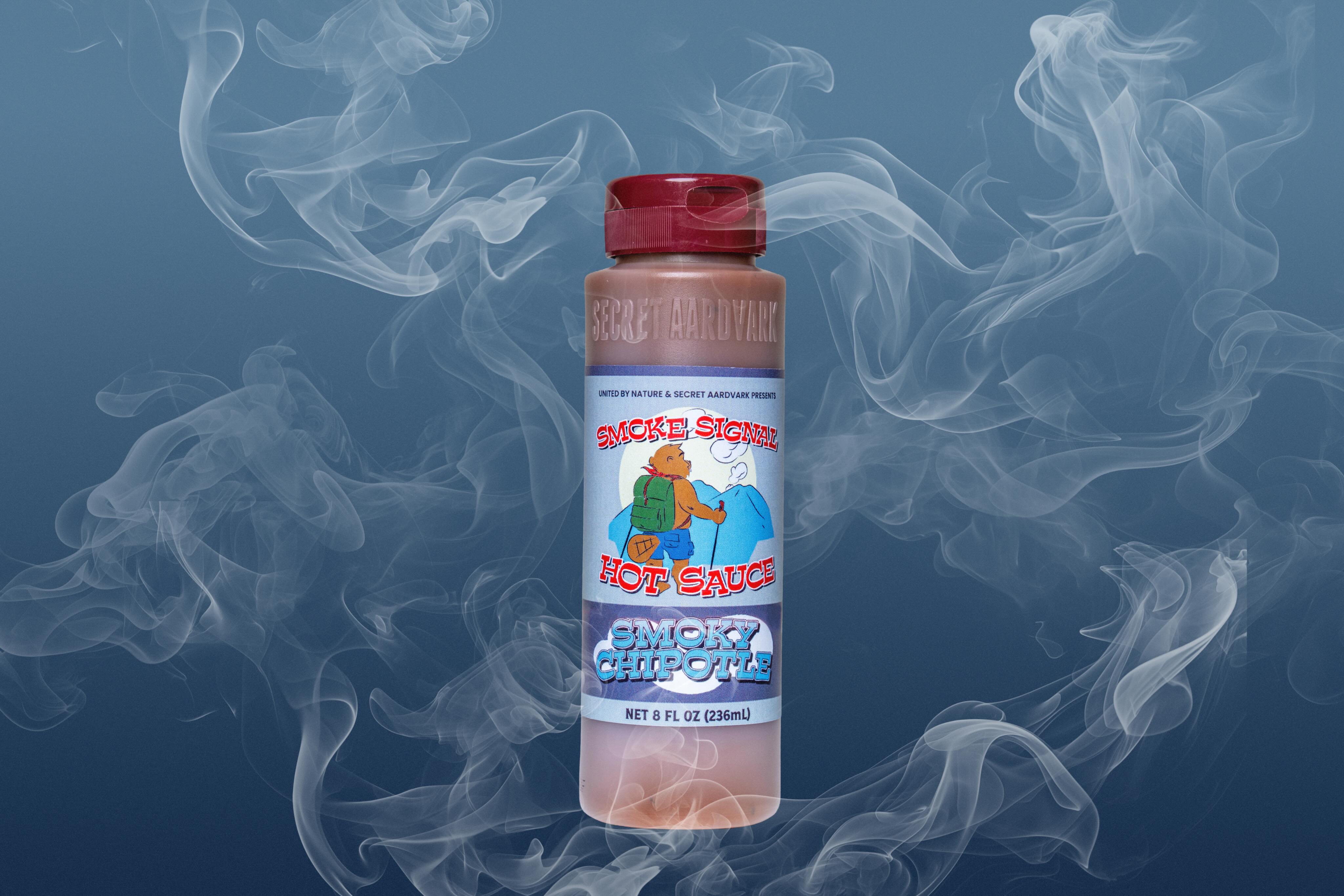 Smoky ChipotleOOOH!
Smoke Signal
Smoky Chipotle
Read the warning signs. Proactive land management and early detection reduce the risk of catastrophic wildfires. Fund healthy landscapes and community education.
$9.99 / 8 oz
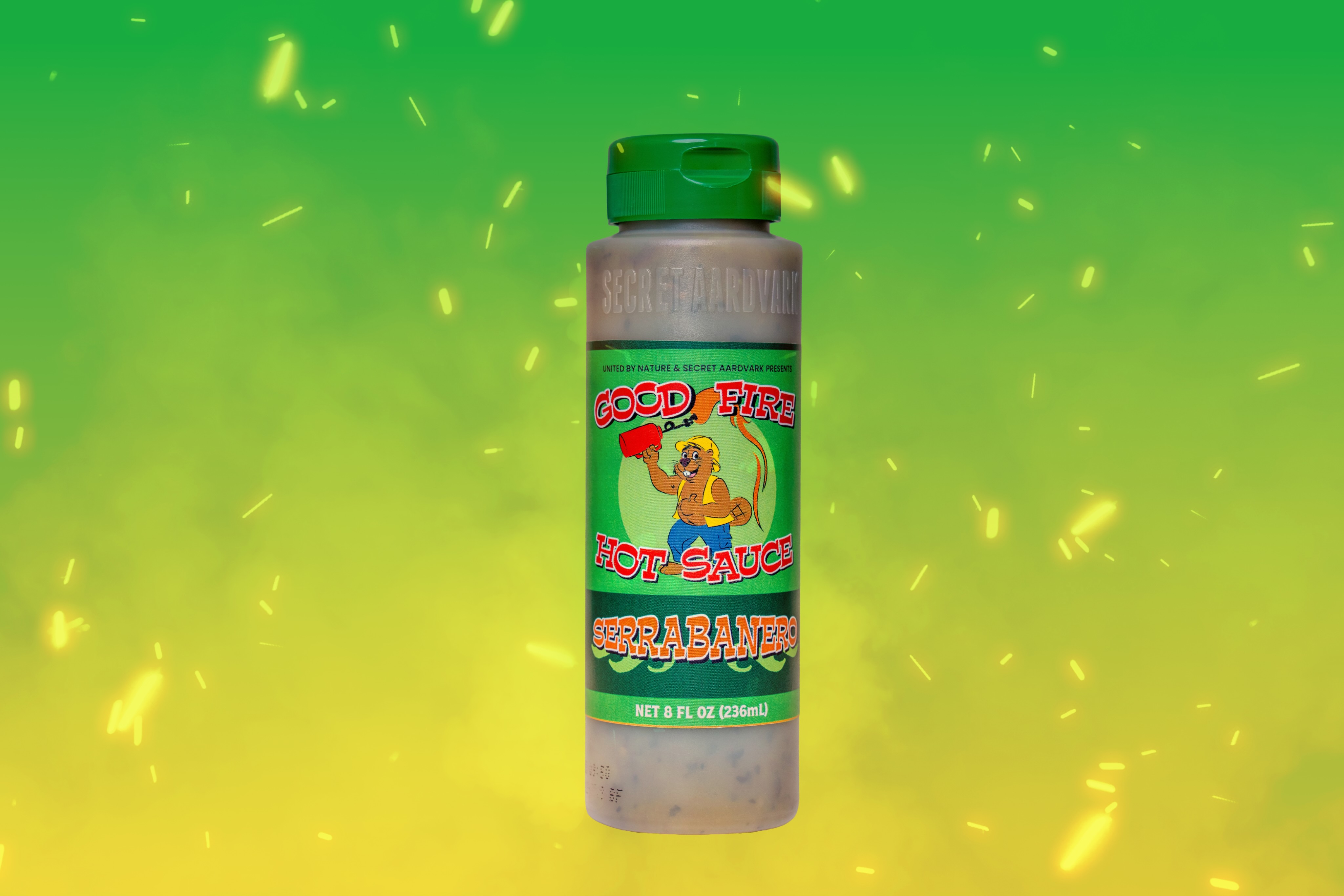 SerrabaneroMmm!
Good Fire
Serrabanero
Not all fire is bad fire. Fire is natural – what isn't natural is dry, diseased forests. Indigenous communities managed forests with fire for thousands of years. Fund prescribed burn programs.
$9.99 / 8 oz
 Red ScorpionDANG!
Mega Fire
Red Scorpion
We built this era, we can dismantle it. When forests aren't cared for, destructive wildfires take hold and become megafires that destroy homes, uproot families, and devastate communities. Funds support and honor the firefighters who put their lives on the line to protect us from these increasingly destructive fires.
$9.99 / 8 oz
get heat to Give Back
Every bottle sold supports our nonprofit partner's wildfire prevention and forest restoration efforts.
100% of all Smoke Signal hot sauce proceeds go directly to fund Sustainable Northwest's community-led initiatives that advance forest health, preparedness, and recovery.
Sustainable Northwest partners with communities throughout the Northwest on projects that promote smart water use, clean energy, and healthy forests, farms, and ranches.
The Forest Speaks First
Smoke isn't the first warning. It's the one most people notice.
Long before a fire ignites, forests show signs of stress. Dead trees accumulate, brush grows unchecked, invasive grasses spread, and drought dries the landscape. Together, these conditions create the fuel that allows a single spark to become a catastrophic wildfire. The landscape tells the story long before the smoke does.
“The new realities of megafires mean we need to prepare communities well ahead of time so we can reduce risk and save lives.”
— Dylan Kruse, President of Sustainable Northwest
Smoke Travels Farther Than Fire
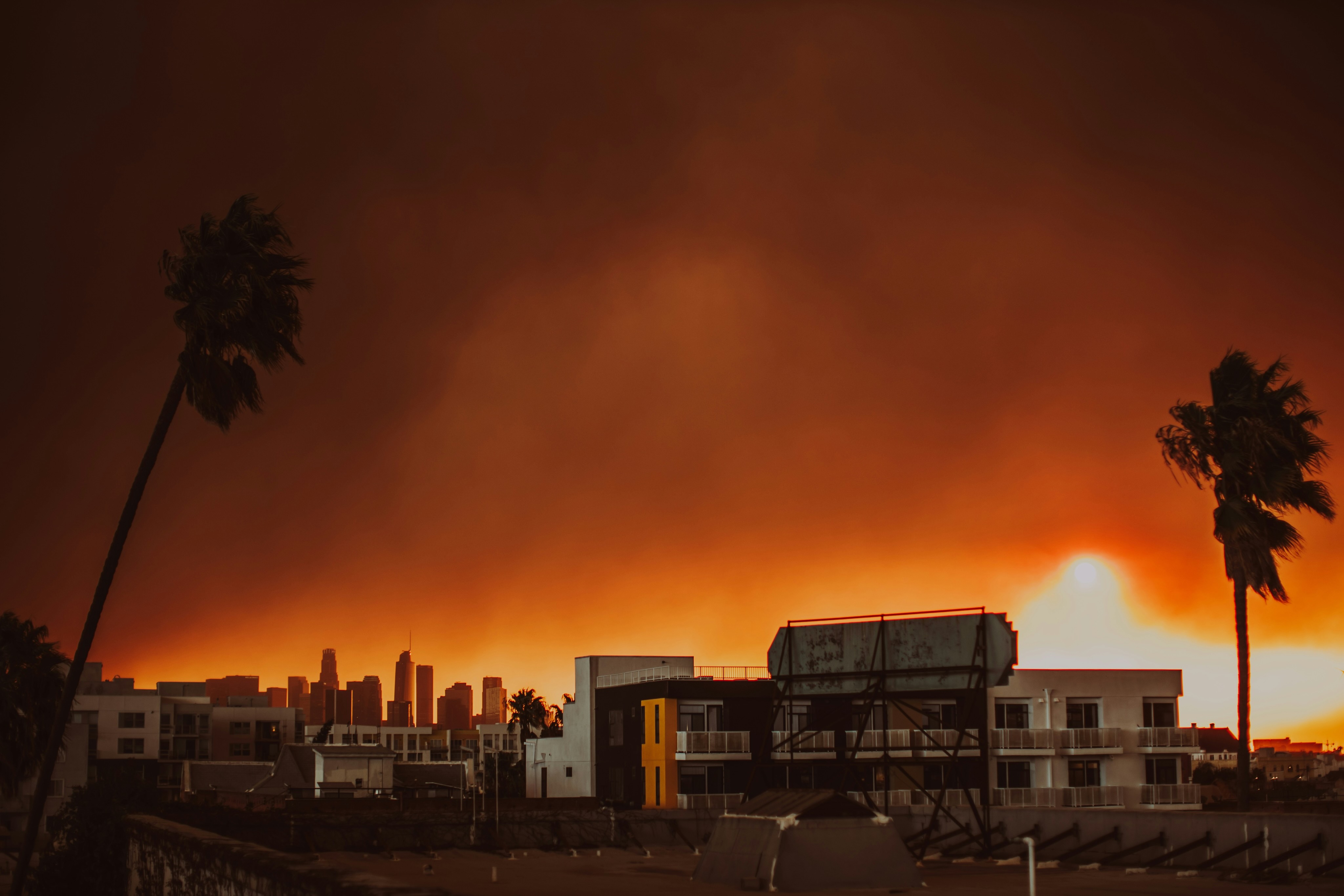
A wildfire may begin in one community, but its smoke rarely stays there. In July of 2026, smoke from Canadian wildfires drifted across North America, turning skies orange in New York City, Philadelphia, Detroit, Chicago, and dozens of other communities. More than 100 million people lived under air quality alerts as smoke spread thousands of miles from the fires.
Wildfire smoke is no longer just a Western problem. It is a public health challenge that affects people across the continent.
Reading the Warning Signs
Communities are getting better at recognizing wildfire risk before disaster strikes. Satellite imagery, weather forecasting, air quality monitoring, fuel moisture sensors, and local knowledge help identify dangerous conditions before the first spark. These tools give firefighters and land managers valuable time to reduce fuel, prepare communities, and respond more effectively. Early warning does not stop every fire, but it creates opportunities to prevent small fires from becoming devastating ones.
Prevention Starts on the Ground
Technology is only part of the solution. Across the West, land managers are reducing wildfire risk by removing excess vegetation before fire season begins. In many places, sheep and goats are becoming one unexpected but effective wildfire prevention tool. Targeted grazing removes dry grasses and brush that would otherwise become fuel for wildfires. It is especially effective at controlling invasive grasses, which dry out quickly and help fires spread.
Organizations like Star Creek Land Stewards are using thousands of grazing animals to help communities reduce wildfire risk naturally while restoring healthier landscapes.
Every Warning Matters
Proactive land management and early detection work together to reduce the risk of catastrophic wildfire. The goal is not simply to respond faster after smoke appears. It is to recognize the warning signs before the sky turns orange. By investing in prevention today, we can protect cleaner air, healthier forests, and safer communities tomorrow.
Sign the Petition
Add your name to stand with thousands of others calling on leaders to invest in smarter wildfire policies for healthier, more resilient forests.