

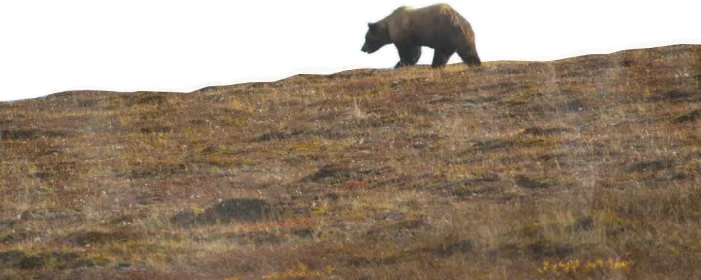


Biggest Wildlife Comeback
Humans aren’t the only ones who live here. And our health depends on animals too. Let’s bring species back from the brink, restore their homes, and make room for wildlife to thrive.
Mile Markers






Back from the brink
Recover 10,000 species of greatest conservation need.
Recovering at-risk species ensures future generations inherit a country where seeing wildlife is part of everyday life.
Stock the flock
Bring half of our endangered species back to healthy numbers.
Healthy wildlife populations protect our ecosystems and preserve our shared natural heritage.
Room to roam
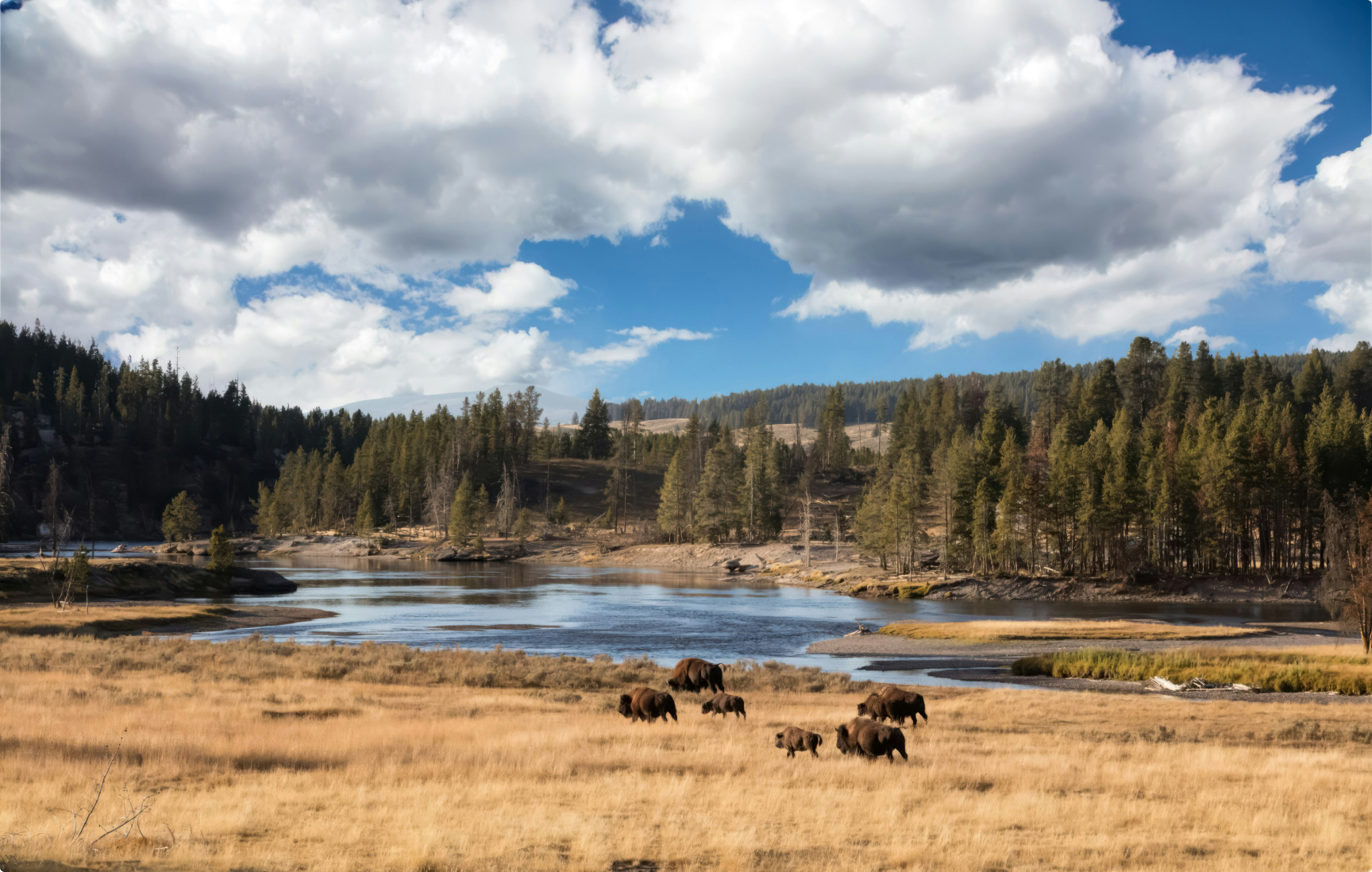
Create 80 major wildlife corridors across the United States, working with landowners along the way, making it possible for animals to roam from Yellowstone to the Mexican border.
These areas connect places so animals can move, find food, and adapt while keeping working lands working. Corridors get built through virtual fencing, voluntary agreements, and incentives.
Fewer close calls
Build 150 new wildlife overpasses, and reduce wildlife-vehicle collisions by 75% through strategic corridor and crossing investments.
Wildlife corridors and crossings keep both animals and drivers safer, reduce costly collisions, and reconnect habitats that roads have divided.
Stop trafficking, start protecting
Shut down wildlife trafficking.
Stopping illegal wildlife trade protects vulnerable species while keeping criminal activity out of communities and preserving wildlife for future generations.
Re-tweet
End migratory bird population decline.
Healthy migratory bird populations are a sign of healthy ecosystems and give us more opportunities to experience the wildlife that connects us across the country.
Kelp wanted
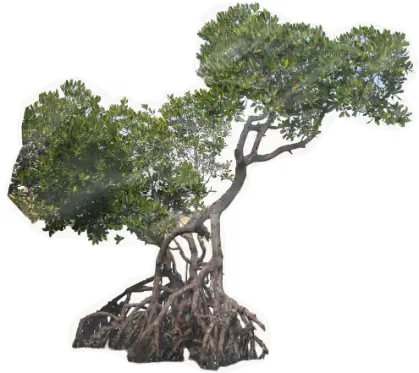
Restore America’s coral reefs and kelp forests.
Healthy coral reefs and kelp forests provide habitat for marine life, protect coastlines, support fishing communities, and create places for people to explore and enjoy.
Seas please
Make America the world leader in ocean restoration, doubling the amount of sea life.
A healthier ocean supports the communities, economies, food systems, and outdoor experiences millions of Americans depend on.
Home renovation for animals
Restore 100 million acres of degraded American habitat.
Restoring degraded habitat creates healthier ecosystems, more wildlife, cleaner water, and passes on more vibrant communities to the next generation.
Reel results
Ensure hunters and anglers have more to pursue than they do today.
Healthy habitats and abundant wildlife give more reasons to go outside and experience the adventures we enjoy today.
Proofs of Progress
Giving wildlife the right of way
Across Montana and Wyoming, wildlife crossings are helping animals safely navigate highways that cut through their migration routes. On Montana’s flathead Indian Reservation, the Confederated Salish and Kootenai Tribes helped shape dozens of crossings along the US 93, including the Animal’s Way overpass. In Wyoming, crossings at Trappers Point and Dry Piney help mule deer and pronghorn move between seasonal habitats. At Trappers Point, wildlife-vehicle collisions fell by 81% within three years of the crossings’ completion — protecting wildlife while making roads safer for the people who travel them.
Helping more cougars get around LA
Above one of Los Angeles’ busiest freeways, a new wildlife crossing is reconnecting habitat in the Santa Monica Mountains that has long been divided by the 101 Highway. The Wallis Annenberg Wildlife Crossing will give mountain lions and other wildlife a safer path across the landscape, helping the region’s populations thrive while making LA a safer, wilder place to live.



Get on board
This is just the start of the road. Sign up to be the first to hear about new programs and actions you can take to build a stronger, more nature-connected future.
We’ll keep you posted on ways to take action. For now, here’s a silly lil quiz to tell you what kind of “outsider” you are:
Explore More